North or south Gran Canaria: where to stay depending on your trip
Gran Canaria's character shifts considerably depending on which area you look at. In the south, sun, beaches and holiday hotels rule, with long days by the sea. In the north, history, gastronomy, villages and natural rock pools carry more weight, with a more everyday pace of life. Neither area is better than the other: there is one that fits the trip you have in mind better.
The south: sun, beaches and convenience
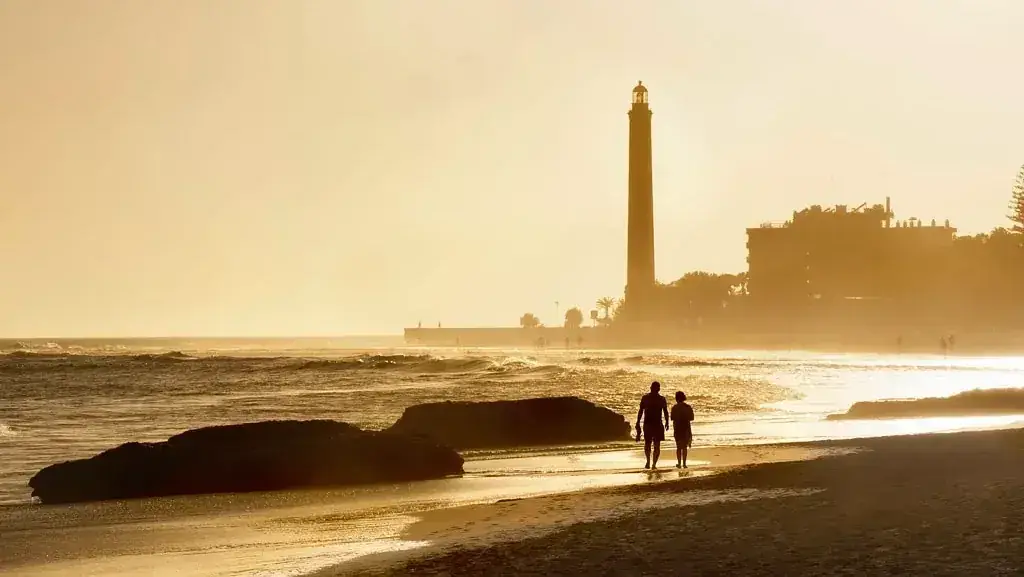
The south of Gran Canaria is the area most chosen by travellers after rest and good weather. Maspalomas, Meloneras, Playa del Inglés, San Agustín and Puerto Rico concentrate much of the island's hotel offering, alongside beaches, restaurants and every kind of tourist service. It's a convenient choice for families, couples and anyone who prefers to have everything within easy reach.
The dunes of Maspalomas are the great symbol of this area, a landscape that defies any usual idea of a beach. The south also tends to log more hours of sunshine a year than other parts of the island, something many travellers weigh heavily when choosing where to stay.
The north: culture, scenery and local life
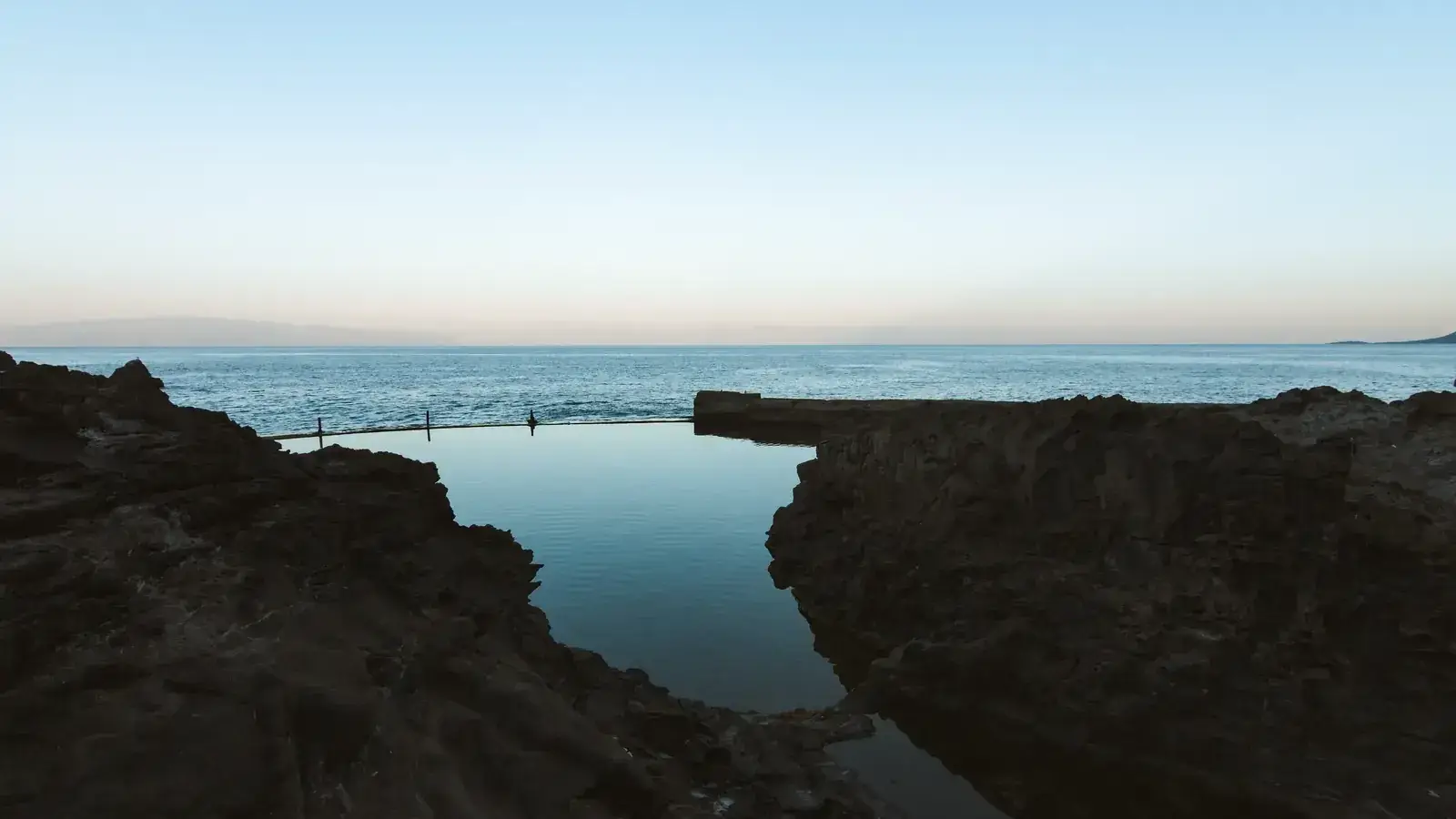
The north offers a different kind of holiday, less focused on sun and sand. Las Palmas de Gran Canaria blends city life, history and an urban beach as good as Las Canteras. Beyond the capital, this area conceals villages, markets, natural rock pools and a cuisine firmly rooted in local produce.
There may be a little more cloud and changeable weather, but also more greenery, more local flavour and more cultural things to do. It's an area that appeals to anyone who wants to explore, eat well, wander through historic centres and see another side of the island.
So, where should you stay?
If your plan is beach, sun and convenience without complications, the south tends to be the better option. If you prefer city life, culture, gastronomy and getting around the island, the north is the better fit. And if you're staying several days, combining both areas, or basing yourself in the south and taking a day trip north, usually works very well.
Gran Canaria can't be summed up simply as north or south. Its real appeal lies in the contrast: from dune to forest, from resort to market, from seafront promenade to mountain viewpoint.
FAQs
Which is better, the south or the north of Gran Canaria?+
It isn't a question of getting it right or wrong, but of knowing what kind of trip you're after. The south offers sun, beaches, holiday hotels and long days by the sea; the north brings history, gastronomy, villages and a more everyday relationship with the island.
What's it like staying in the south of Gran Canaria?+
The south brings together much of the island's hotel offering in areas such as Maspalomas, Meloneras, Playa del Inglés, San Agustín and Puerto Rico, with beaches and services close at hand. It tends to have more hours of sunshine and boasts the dunes of Maspalomas as its great attraction.
What does the north of Gran Canaria offer?+
An experience less focused on the beach and more on culture and local life. Las Palmas de Gran Canaria combines city, history and Las Canteras beach, and the rest of the area holds villages, markets and lively natural rock pools.
Can you combine the south and the north on the same trip?+
Yes, and it's often the best formula for a first visit. Staying in the south and setting aside a day or two to explore the north lets you enjoy the climate and the beach without missing out on the culture and scenery of the interior.
You may also like
What to see in Gran Canaria in 7 days: a complete island itinerary
 Guide
GuideWhat to see in Gran Canaria in 7 days: a complete island itinerary
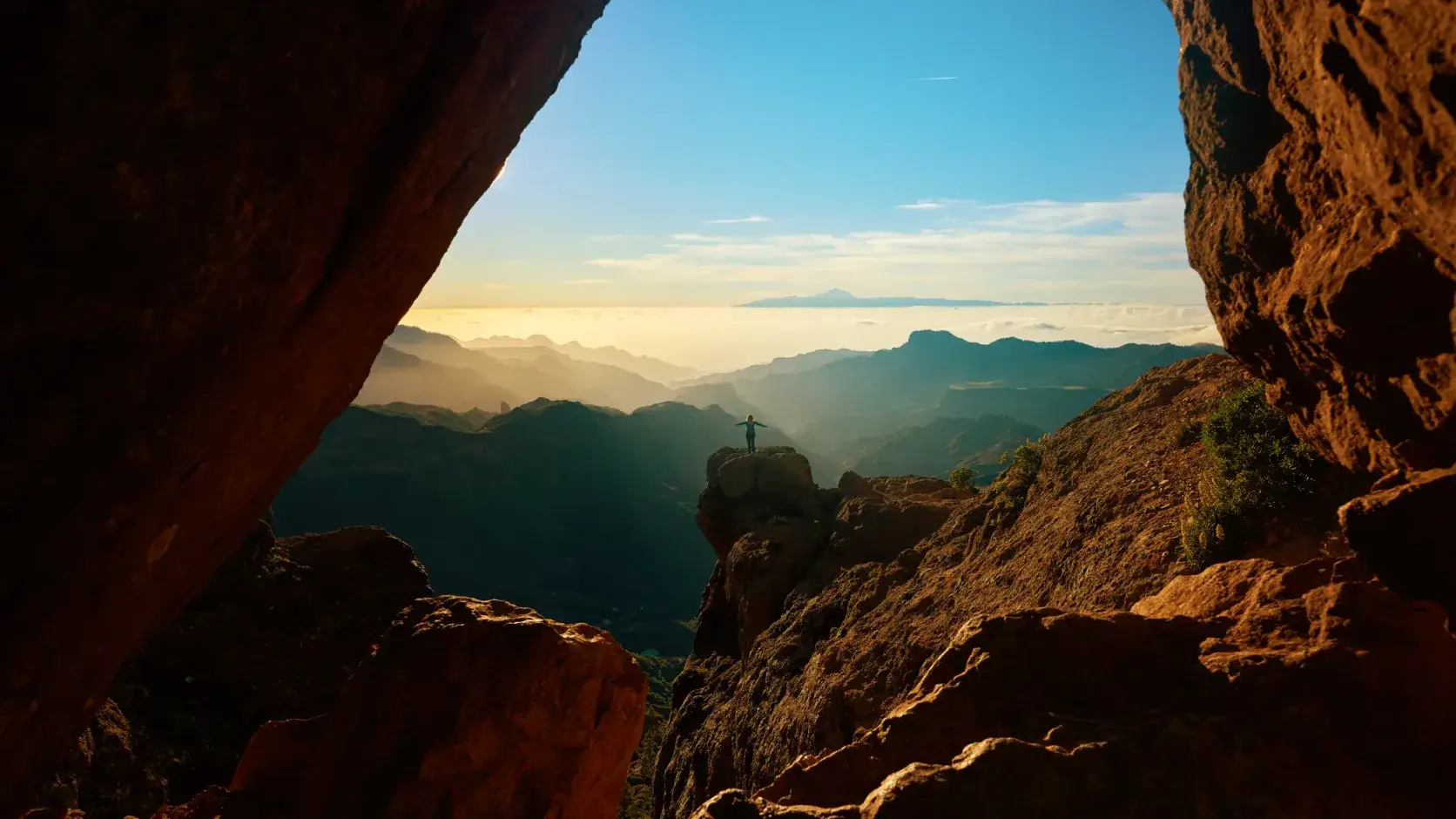
A week-long itinerary around Gran Canaria: the capital, the dunes of Maspalomas, Puerto de Mogán, the mountain summit, the inland villages and the island's best beaches.
Best things to do in Gran Canaria: beaches, nature, villages and gastronomy
 Guide
GuideBest things to do in Gran Canaria: beaches, nature, villages and gastronomy
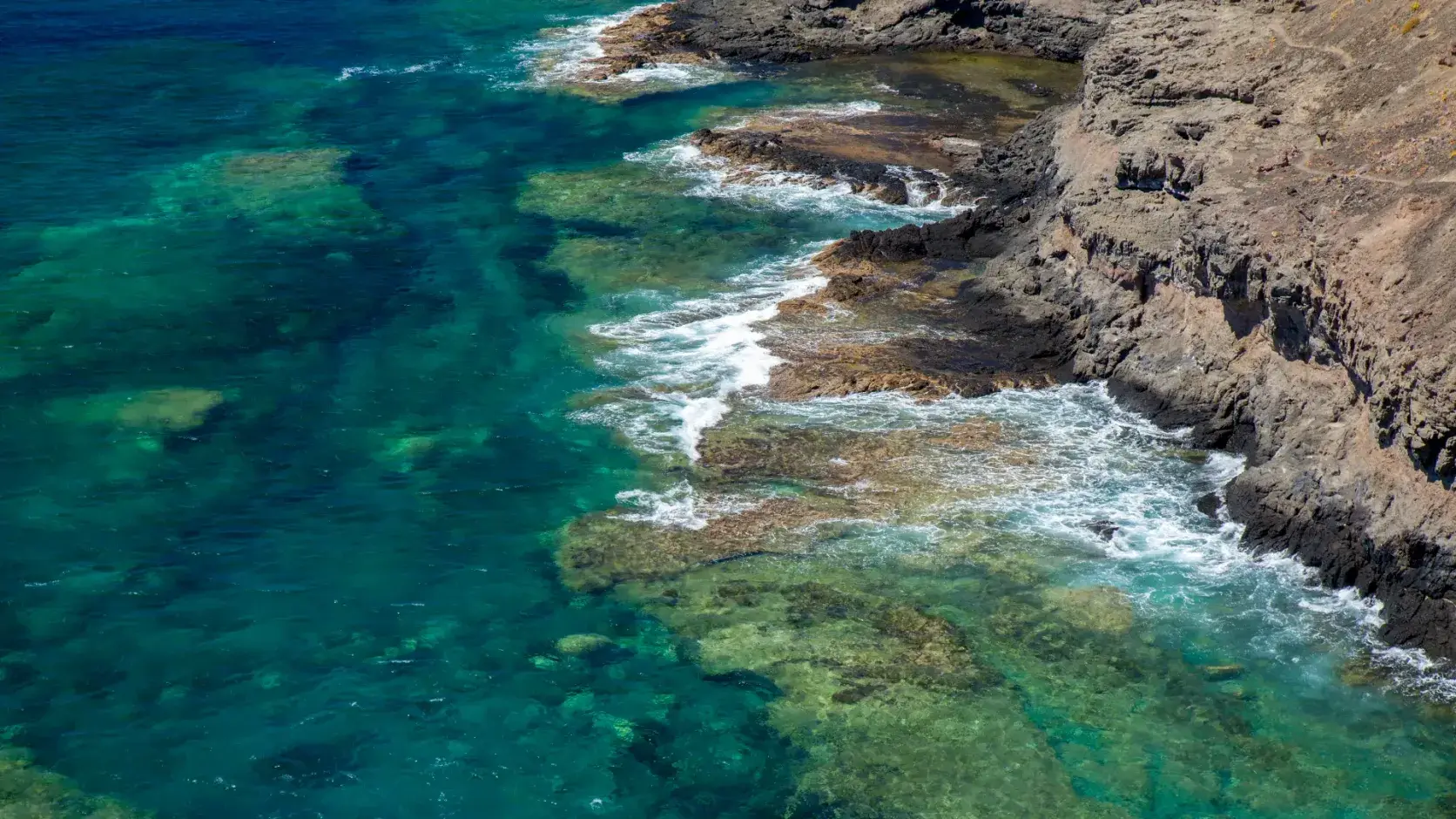
A selection of the best things to do in Gran Canaria: dunes, urban beaches, mountain routes, charming villages and local gastronomy.